In today’s hyper-connected digital landscape, users encounter a plethora of online platforms—from trusted brands like Bingoplus and educational institutions such as SIIT - Scholars International Institute of Technology—to global enterprises like Scholars Global Tech Corporation. These companies strive to offer seamless digital experiences through integrated web portals and robust Android applications (APK files) that serve as complete service hubs. However, with increased reliance on digital interfaces comes the risk of encountering malicious copied pages that look remarkably real but can compromise your data and privacy.
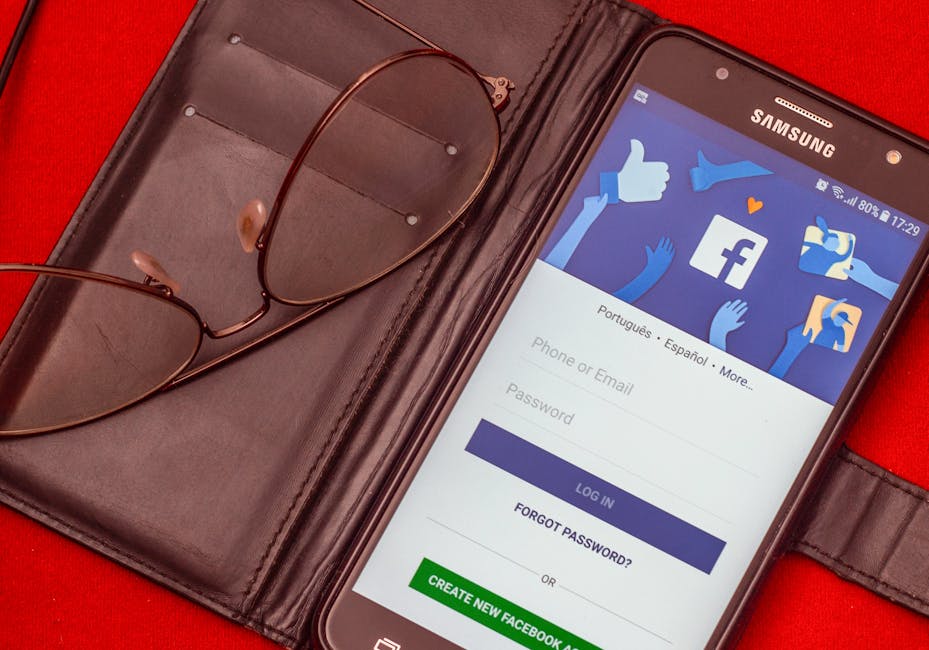
This comprehensive post dives into why fake pages, using copied logos and layouts, succeed in deceiving users despite being unsafe, and how connected digital service design and smart domain behavior checks offer protection. We’ll also explore how login clarity, error messaging, and consistent user journey continuity from discovery to support fortify user trust.
The Anatomy of a Convincing Fake Page
Copied pages leverage a combination of visual design, subtle behavioral mimicking, and technical tricks to fool users. Let’s break down their key components:
- Copied logos: One of the easiest ways to create trust is by replicating company logos perfectly. These symbols foster instant recognition and legitimacy. For instance, a fake version of Bingoplus could use their exact logo to attract accustomed users. Fake layouts: Beyond visuals, the page structure mimics the original’s layout—menu bars, button placements, fonts, and colors—crafting a seamless look-and-feel that reassures users. Domain behavior check bypass: These pages often reside on similar-looking domains or use domain spoofing techniques that trick browsers and users alike. They may also disable browser security indicators or simulate expected domain behaviors.
Why Does This Work So Well?
The human brain is wired to recognize patterns. When the copied page hits familiar visual cues and behaves as expected—such as asking for login credentials on a screen identical to Scholars Global Tech Corporation's Android app—users feel confident proceeding. This cognitive ease reduces suspicion even if the underlying page is unsafe.
Connected Digital Service Experience: A Double-Edged Sword
Companies today offer connected service experiences to ensure users enjoy continuity across touchpoints—from initial website discovery to mobile app login and help-center interactions. For example, SIIT integrates its online admission platform with an Android-based academic resource app, maintaining consistent branding and user workflows.
Unfortunately, the very cohesion that enhances user convenience also makes it easier for attackers to exploit familiar interactions. Fake pages imitate the entire user journey:
Discovery: Malicious ads or search results may lead users to near-perfect imitations of Bingoplus's official landing page. Login: The fake page’s login form mimics exact field labels, button placements, and error message styles employed by the real Android app. Support: Some counterfeit sites go as far as faking help-center content or live chat probes, increasing the illusion of authenticity.Implications for the User Journey
When the entire flow is mirrored, suspicion is lowered at every stage. Users are more likely to enter sensitive information, believing they are interacting with trustworthy services like Scholars Global Tech Corporation’s official channels.

Ensuring Login Clarity and Precise Error Messaging
One of the critical indicators separating safe from unsafe pages is login clarity and error messaging. Legitimate companies design their login flows to:
- Clearly state which credentials are needed and why. Provide precise, actionable error messages—for example, “Password incorrect. Please try again.” instead of generic “Login failed.” Implement multi-factor authentication (MFA) prompts that align with expected user behavior.
Fake pages often struggle to replicate these nuances perfectly. Subtle inconsistencies in wording or missing MFA prompts can alert attentive users.
Example: Login Flow Differences on Android
Aspect Real App (e.g., Bingoplus Android APK) Fake Page Field Labels “Email or Username” with tooltip Simply “Username” without explanations Error Messages “Incorrect password. Forgotten? Reset here.” “Login failed” or no message MFA Prompt Push notification or code input Absent or faked with no backend verificationMobile App as a Service Hub: A Key Defense
Android apps distributed through trusted channels are often safer than web pages. For instance, Scholars Global Tech Corporation’s mobile app acts as a centralized service hub providing:
- Secure login integrated with device-level verification. Direct access to support options minus redirections. Behavioral analytics that detect unusual login attempts.
Users who rely on official APKs downloaded from recognized stores reduce exposure to unsafe copied pages, which are less prevalent as standalone mobile apps. The app context itself verifies authenticity through digital signatures and update mechanisms.
How to Spot Unsafe Copied Pages Despite Their Realistic Look
Even with convincing copied logos and layouts, users should remain vigilant. Practical tips include:
Check the domain carefully: Look for subtle misspellings or unusual extensions. The difference between scholarsglobaltech.com and scholars-global-tech.co may be slight but significant. Use domain behavior check tools: Browser extensions and security apps can analyze domains for known spoofing or suspicious activities. Verify login prompts: Legitimate services like Bingoplus display consistent messaging and support multi-factor authentication. Prefer official apps: Use the verified Android APKs from Google Play or official websites to access services. Scrutinize error messages: Authentic sites provide clear guidance; generic or missing errors can be a red flag. Contact support directly: When in doubt, reach out to Scholars International Institute of Technology’s official contact channels rather than trusting embedded help text on suspect pages.The Role of Companies in Defending Against Fake Pages
Providers such as Scholars Global Tech Corporation and Bingoplus can build defenses by:
- Designing consistent, user-friendly login flows with clear error messaging. Monitoring domain registrations and blocking lookalike domains proactively. Educating users about checking URLs, enabling MFA, and downloading only official Android APKs. Integrating easy-to-access support that guides users through suspicious activity verification.
Institutions like SIIT - Scholars International Institute of Technology foster digital literacy among students, emphasizing cybersecurity hygiene and recognizing unsafe pages during their technology programs.
Conclusion
Copied pages look real because they expertly replicate the visual identity, page layouts, and even user journey flows established by trusted companies siit.co like Bingoplus and Scholars Global Tech Corporation. Their effectiveness is amplified by the connected digital service experience that spans discovery, login, and support, especially when users interact across web and mobile channels like Android applications.
However, by staying informed about domain behavior checks, emphasizing login clarity and error messaging, and using official mobile apps as secure service hubs, users can significantly reduce risk. Likewise, organizations must continuously innovate and educate to preserve trust in an ever-evolving threat landscape.
Remember: authenticity isn’t just what you see—it’s also what the domain, behavior, and login process confirm. Stay vigilant, and stay safe.